RF500M

RF500M
Limited availabilityConfigurableRadio Modem
Pricing
Configuration
Sign in for option pricing- PakBus OS Jumper for RF31x/32x-ST
- PakBus OS Jumper for RF30x-ST
- PakBus OS Jumper for DRL unmod-ST
- Dial OS Jumper for RF31x/32x-ST
- Dial OS Jumper for RF30x-ST
- Dial OS Jumper for DRL unmod-ST
- ALERT Dual Mode OS Jumper for RF31x/32x-ST
- ALERT Dual Mode OS Jumper for RF30x-ST
- ALERT Dual Mode OS Jumper for DRL unmod-ST
Select a configuration to add to your quote
- Model:
- RF500M
- Item Number:
- 45291
- Warranty:
- 1 year
- Lead time:
- 14 days
Overview
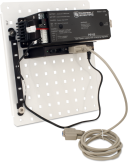
The RF500M is a versatile radio modem for networks with UHF/VHF radios, typically serving as an interface between the data logger and radio. In addition to serving as a field modem connected to a data logger, the RF500M can also be used as a stand-alone repeater, or as a base-station modem connected to a computer. The RF500M is generally used with legacy or existing PakBus and mixed-array/dial-up networks. The RF500M works with our RF320-series radios, RF310-series radios, RF300-series radios, or any radio and modem combination that outputs a demodulated byte stream via RS-232.
For new installations, please consider one of our spread-spectrum radio solutions, or contact Campbell Scientific to discuss the use of other licensed radio options.
The RF500M is an appropriate choice for any ALERT(1) store-and-forward repeaters or base-station-decoder applications. For ALERT2 applications, refer to the ALERT200 ALERT2 Basic Remote Data Platform.
Key Advantages
For networks with narrowband, UHF/VHF, licensed radios
Technical Description
The RF500M serves as a remote, repeater, and base station communication interface, generally for our licensed radio applications. It provides an interface between a data logger or computer and a radio and can be a stand-alone repeater when onsite logging is not required. The RF500M is powered from the CS I/O port or from an external power connection. This modem is software configurable, and has been designed to interface with data telemetry radios such as our RF320-, RF310-, and RF300-series VHF/UHF radios.
Operating System (OS) Options Descriptions
PakBus OS
Considered the standard for the RF500M, the -PB OS uses TDRF polling to quickly and efficiently move data through a network. Each station can be individually dialed by LoggerNet. This OS is compatible with -TD, -PB, and our current generation of PakBus data loggers.
ALERT Dual Mode OS
The ALERT (Automated Local Evaluation in Real Time) OS allows for transmission, repeating, and reception of binary ALERT formatted data. It is a derivative of the -PB OS, and therefore supports both ALERT and TDRF communications (allowing true two-way communication with a station). This OS is compatible with the CR200(X)-series, CR800-series, CR1000, and CR3000 dataloggers.
Dial OS
The dial OS works with both mixed-array and PakBus/table-based data loggers. Each station can be dialed by LoggerNet for downloading data, sending programs, and performing other tasks. Additionally, this OS allows stations to create point-to-point networks for sharing of measurement and control tasks.
Benefits
- Supports multiple radio configurations
- Uses software (DevConfig) instead of hardware modifications to upgrade the operating system (OS) and change RF ID or other settings
- Provides an RS-232 port (DTE) for modem configuration or attachment of an RS-232 radio
- Avoids all collisions within a network, thus increasing polling speeds and reducing overall current drain
Specifications
- Voltage
- 7 to 20 Vdc
(Can be provided by the CS I/O port.)
- Active Current Drain
- < 8 mA RMS
(@ 12 Vdc)
- Temperature Response
- -25° to +50°C
(standard)
- Temperature Range
- -55° to +85°C
(extended)
- Dimensions
- 16.0 x 9.5 x 2.2 cm
(6.31 x 3.69 x 0.88 in.)
- Weight
- 0.18 kg
(0.4 lb)
Transceiver Audio Output (pin 5)
- J1 Jumper Configuration
- 310 mV peak-to-peak
(Campbell Scientific adjusts the audio input gain so that it is compatible with J1.)
- J3 Jumper Configuration
- 670 mV peak-to-peak
Related Resources
Case Studies
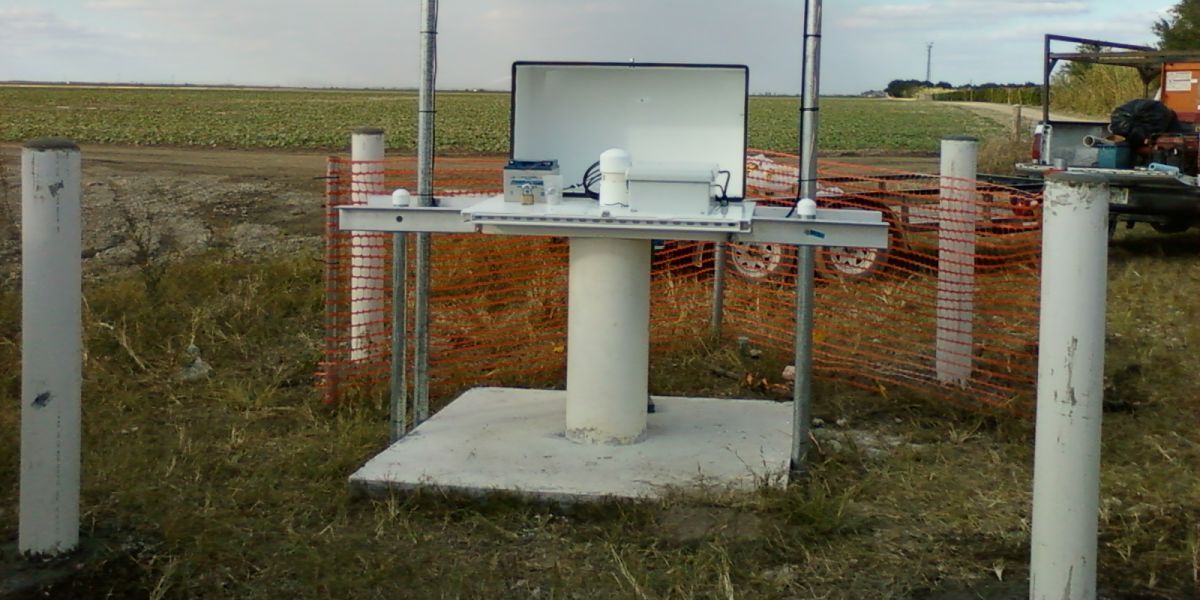
Florida: Protecting an Endangered Species’ Habitat
Monitoring surface water and shallow groundwater levels
Everglades, Florida, USA
February 4, 2014
View
Virginia: ALERT System
Upgrade of ALERT flood warning system in Virginia
Virginia
November 23, 2009
View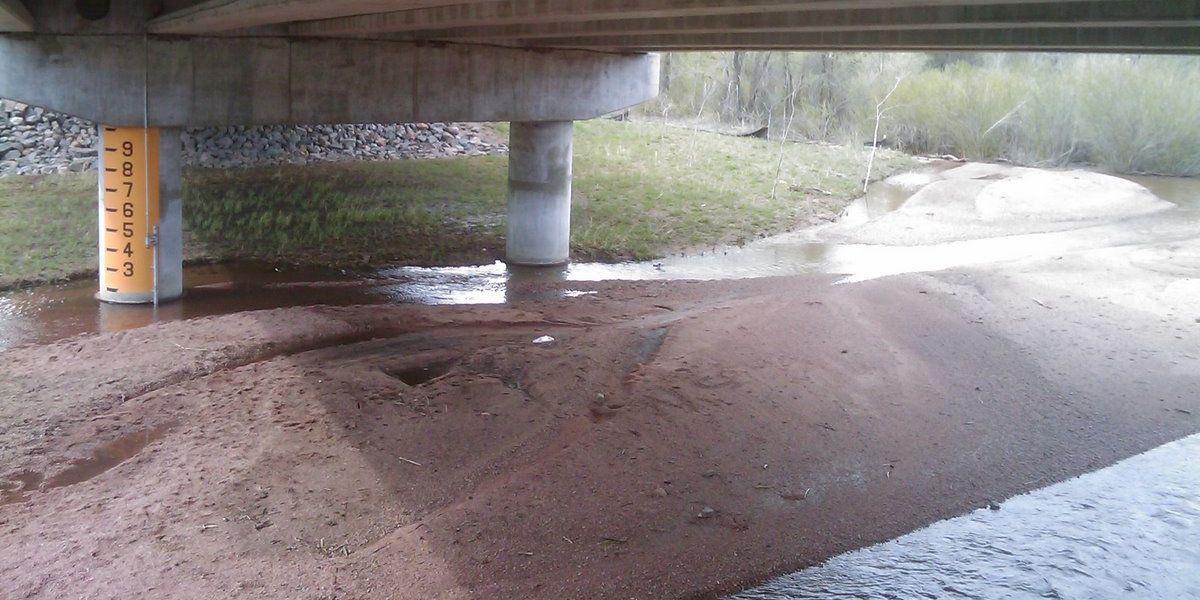
Colorado: RWIS Data from ALERT System
Integration of RWIS into ALERT network
Douglas County, Colorado
November 14, 2011
View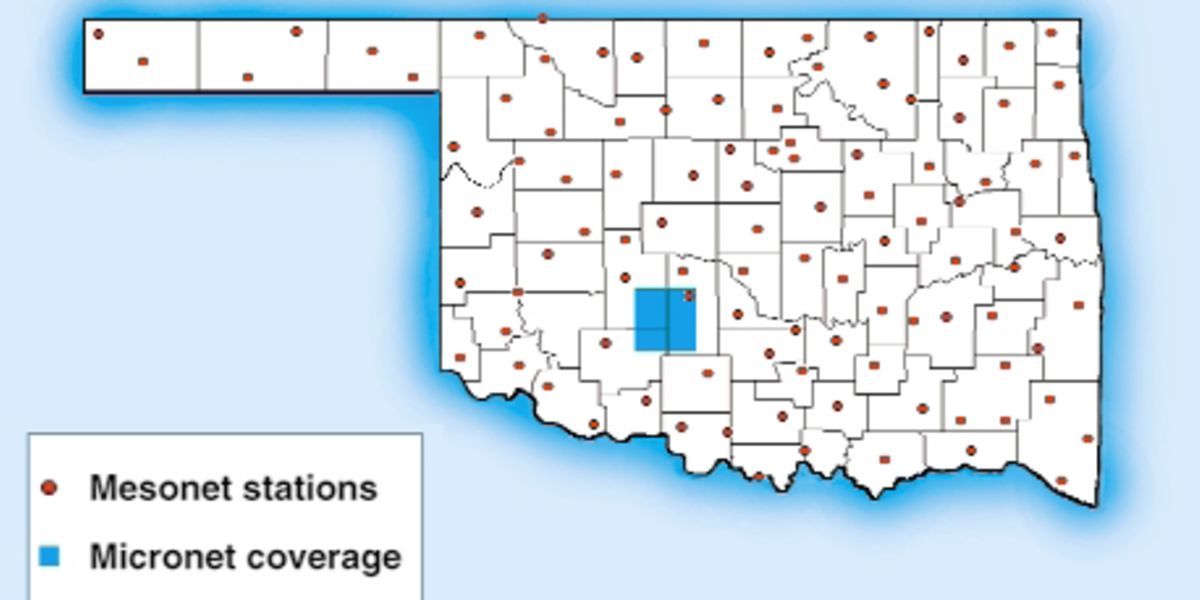
Oklahoma Mesonet: Meteorological Network
State-wide environmental monitoring network measuring weather and soil parameters
Oklahoma, USA
March 18, 2011
View- View all case studies