CS125
CS125
OrderableConfigurableGSAPresent Weather and Visibility Sensor
Ideal for transportation applications.
Pricing
Configuration
Sign in for option pricing- 25 to +60C w/5m (17ft) per Sensor**CS125-ST-5m
- 25 to +60C w/10m (33ft) per SensorCS125-ST-10m
- 25 to +60C w/15m (50ft) per SensorCS125-ST-15m
- 25 to +60C w/30m (100ft) per SensorCS125-ST-30m
- 40 to +70C w/5m (17ft) per Sensor**CS125-XT-5m
- 40 to +70C w/10m (33ft) per SensorCS125-XT-10m
- 40 to +70C w/15m (50ft) per SensorCS125-XT-15m
- 40 to +70C w/30m (100ft) per SensorCS125-XT-30m
Select a configuration to add to your quote
- Model:
- CS125
- Item Number:
- CS125
- Warranty:
- 2 years
- Lead time:
- 14 days
Overview
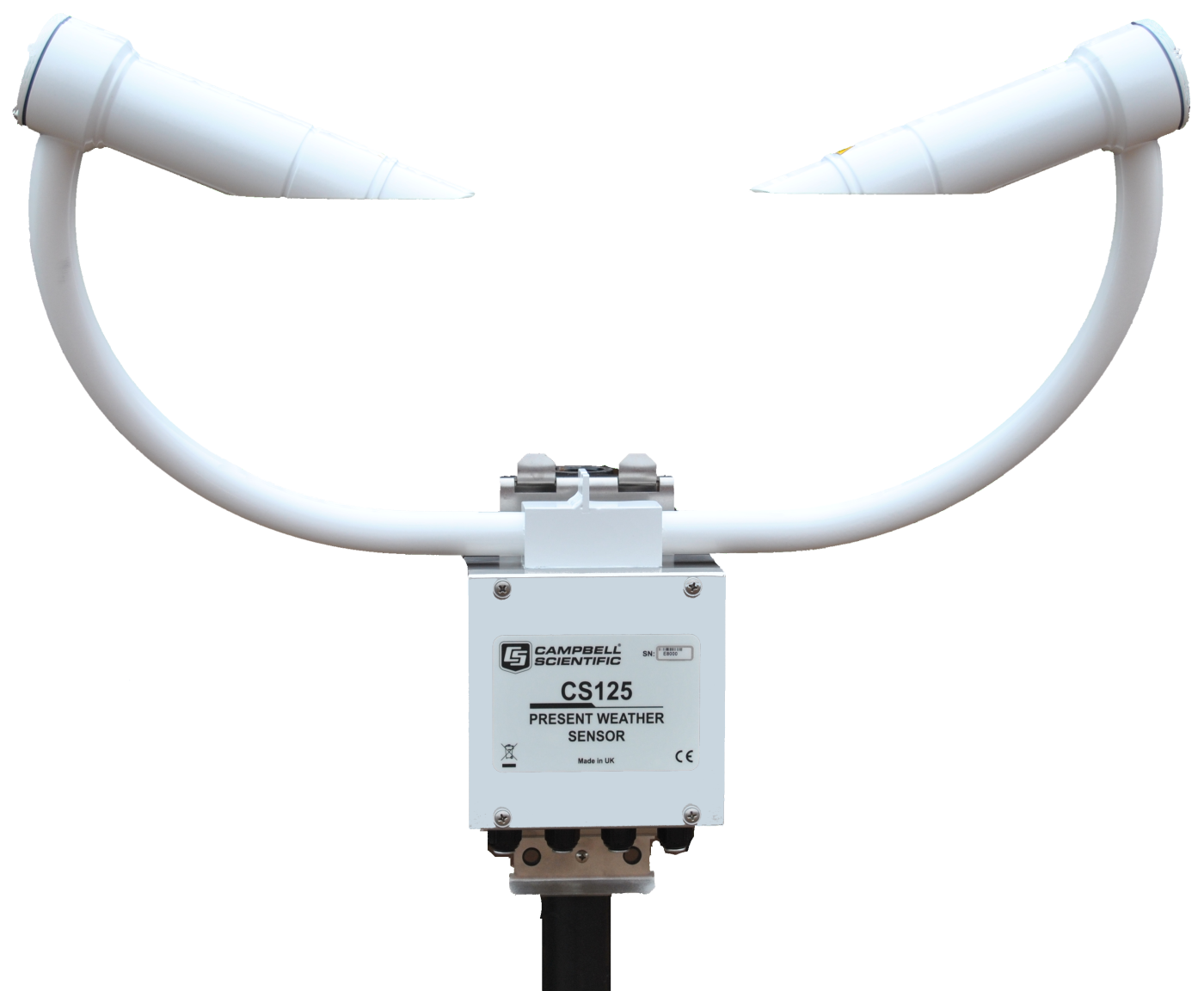
The CS125 is an infrared forward-scatter visibility and present weather sensor for stand-alone use or with automatic weather stations including those for road, marine, and airport applications. The CS125 has an attached 5 m (16.4 ft) cable and DB9 connector.
Learn more about our CampbellAero™ Automated Weather Observing System (AWOS) Solution and our CampbellAero Software.
Key Advantages
Ideal for transportation applications
Technical Description
The CS125 uses the well-established forward scatter system for visibility measurement, using a 42° scatter angle, which gives accurate estimates of Meteorological Observable Range (M.O.R.) for fog and snow.
It identifies precipitation particles from their scattering properties and fall speeds, and combines this with a temperature measurement to identify the weather type. It has downward-pointing optics that reduce the risk of contamination of the optics and blockage with snow. Interference to the sample volume from the sensor by flow distortion or heat is minimized.
It also provides reliable present weather information in the form of SYNOP codes, including information on the intensity of precipitation. Accumulation can also be reported.
The CS125 uses continuous high-speed sampling to reduce errors during mixed-weather events and events that return intermittent signals, such as rain and hail, while still providing reliable readings during more stable events, such as fog and mist. The CS125 has high immunity to interference from the visible and infrared warning lights used to mark obstructions, such as wind turbines.
The sensor can be set to a lower sampling frequency to save power, if required.
The CS125 incorporates low-power dew prevention heaters, as well as higher-power anti-icing heaters for the hoods as standard. These heaters are automatically controlled to ensure operation in all weather, or they can be disabled individually to save power.
The CS125 continuously monitors its own status and will report internal faults and contamination or blockage of the sensor lenses. It also has two user-configurable alarm outputs that can be used to drive audio or visual alarms using solid-state relays.
The CS125 is certified by Deutscher Wetterdienst as suitable for use to control wind turbine obstruction light systems as specified by 506/04, General Administrative Rules for the Identification of Aircraft Obstructions.
Benefits
- High performance sensor at a competitive price
- Sensor design minimizes airflow disruption at measurement volume
- Simple field calibration using optional calibration kit
- Low power - suitable for remote application
- Automatic status check for faults or window contamination
- Incorporates automatic dew and hood heaters for all-weather operation
- Type certified for aviation use by the German Meteorological Service, Deutscher Wetterdienst (DWD)
Specifications
Operational
- Maximum Reported Visibility
- 100 km
(62.1 mi)
- Minimum Reported Visibility
- 5 m
(16.4 ft)
- Resolution
- 1 m
(3.28 ft)
- Outputs
- Present and past weather: identifies as standard mist, fog, drizzle, freezing drizzle, drizzle and snow, rain, freezing rain, rain and drizzle, rain and snow, and snow.
57 SYNOP present weather codes and associated METAR and NWS present weather codes - hail detection; past weather codes.
- Accuracy
- ±8%
(up to 600 m [1968.5 ft])
- Accuracy
- ±10%
(600 to 10,000 m [1968.5 to 32,808.4 ft])
- Accuracy
- ±15%
(10,000 to 15,000 m [32,808.4 to 49,212.6 ft])
- Accuracy
- ±20%
(above 15,000 m [49,212.6 ft])
- Precipitation Detection Sensitivity
- 0.05 mm/h
- Accumulation Reporting Range
- 0 to 999.9 mm
(0 to 39.37 in.)
- Accumulation Accuracy
- ±15%
(against factory calibration standards in the laboratory, for liquid precipitation)
- Accumulation Resolution
- 0.1 mm
(0.0039 in.)
- Rain Intensity Range
- 0 to 999.9 mm/h
(0 to 39.37 in./h)
(The maximum intensity reported is dependent on the mixture of precipitation falling.) - Intensity Accuracy
- ±15%
(against factory calibration standards in the laboratory, for liquid precipitation)
- Intensity Resolution
- 0.01 mm/h
(0.00039 in./h)
- Operating Temperature Range
- -25° to +60°C
(standard)
- Extended Operating Temperature Range
- -50° to +70°C or -40° to +70°C
- Operating Humidity
- 0 . . . 100%
- Operating Wind Speed
- Up to 60 m/s
- Sensor Sealing
- Rated to IP66
- Total Unit Power
- Less than 3 W while sampling continuously
(including dew heaters)
Mechanical
- Material
- Stainless steel and hard-anodized aluminum powder-coated
- Mountings
- Stainless-steel clip on V-bolt mounting to pole with diameter of 32 to 52.5 mm
(1.26 to 2.07 in.)
- Mounting Pole
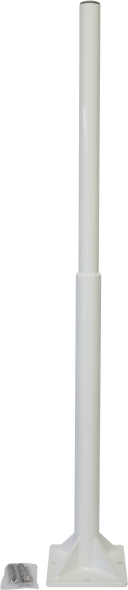
- An optical mounting pole is available to place the sample volume at 1.5 m (4.9 ft), as recommended by the WMO.
- Frangible Mast
- Frangible masts are available to customer requirements to meet ICAO recommendations (typically placing the sample volume at 2.5 m [8.2 ft]).
- Visibility Sensor Dimensions
- 540 x 640 x 246 mm
(21.26 x 25.2 x 9.7 in.) including mount
- Cable Length
- 5 m
(16.4 ft)
- Sensor Weight
- ~3 kg
(6.61 lb) dependent upon mounting system
Electrical
- -NOTE-
- Lower power states can be achieved by less frequent sampling and remote control of heaters.
Optional power supplies with battery backup available.
Connectors in place of flying leads are available.
A low-voltage shutdown level can be set to prevent backup batteries from being damaged. - Electronics Supply Voltage
- 7 to 30 Vdc
- Hood Heater Supply Voltage
- 24 V
(dc or ac)
- Hood Heater Power
- 2 x 30 W
(total of 60 W)
- Dew Heater Power
- 2 x 0.6 W
(total of 1.2 W)
Interface
- Serial Interface
- RS-232 or RS-485
- Serial Data Rates
- 1200 to 115,200 bps
(38,400 bps default rate)
- Alarm Outputs
- 2 x 0 to 5 V outputs, 32 mA (max)
Optical
- -NOTE-
- Lens contamination circuity monitors both the source and detector lenses for contamination/blockage at 1 s intervals.
The sensor can be configured to adjust calibration for low to moderate window contamination.
Light source stability control ensures stable operation through variations in temperature and with sensor aging.
Corrected at 1 s intervals. - Emitter Light Frequency
- 850 nm
Accessories
(8)CS215-L
Digital Air Temperature and Relative Humidity Sensor
Retired44157
3.8 A 24 V NEC Class 2 Power Supply Kit
Orderable40062
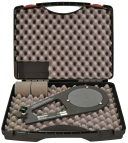
High-Grade Calibration Kit for CS120/A or CS125
Orderable28680
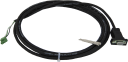
Configuration Cable for CS120/A or CS125
Orderable28679
Optical Sensor Mount for CS120/A or CS125
Retired39131
DIN Rail Terminal Kit with 2 Terminals and 6 Wires
Orderable39802
DIN Rail Terminal Kit with 4 Terminals and 9 Wires
Orderable40062
High-Grade Calibration Kit for CS120/A or CS125
Orderable


Ships With
(2)- 5 m Sensor Cable from original mfg
- 5 m Hood Heater Cable from original mfg
Related Resources
Case Studies
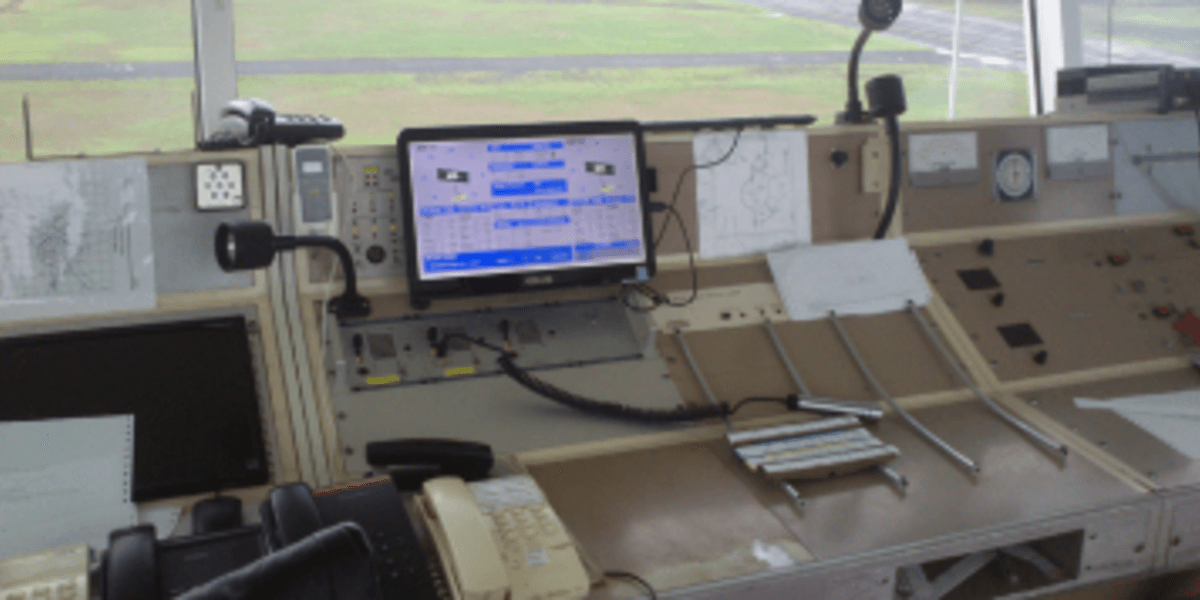
Central Africa: Airport Weather System
Upgrading airport weather system
Sao Tome International Airport, western coast of Central Africa
July 6, 2016
View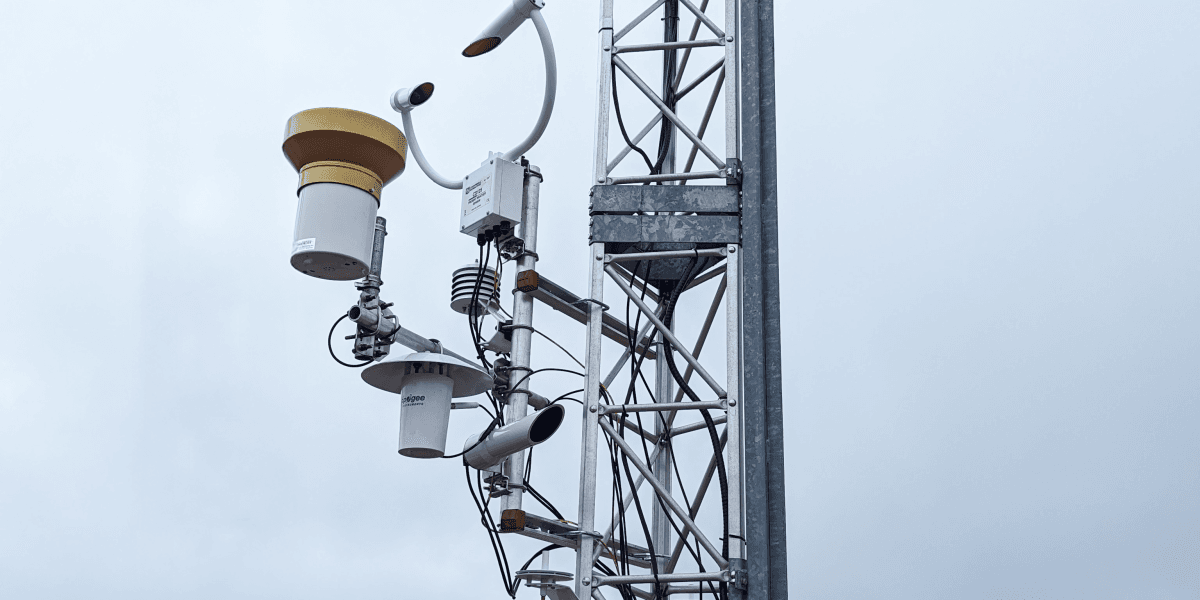
Ontario: Municipal Airport Automated Weather Observation System (AWOS)
Air ambulance, private jet traffic, and chartered flights
Manitouwadge, Ontario, Canada
March 17, 2025
View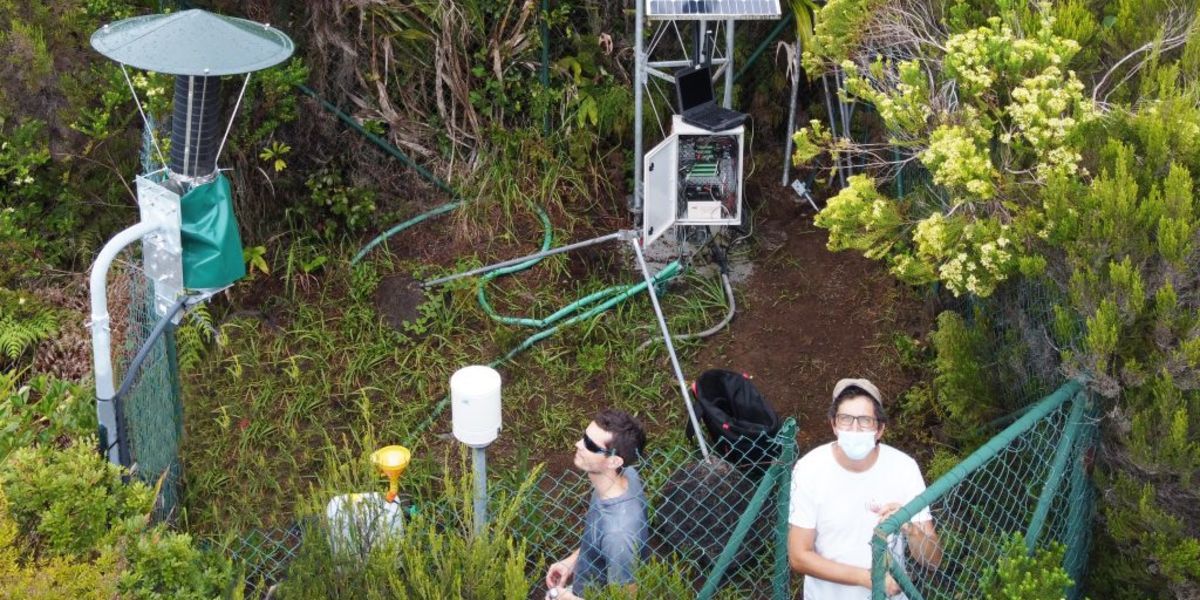
Réunion Island: Tropical Volcanic Watershed
Multidisciplinary research for meteorology, hydrology, hygrogeology, and hydrogeochemistry
Réunion Island
March 28, 2025
View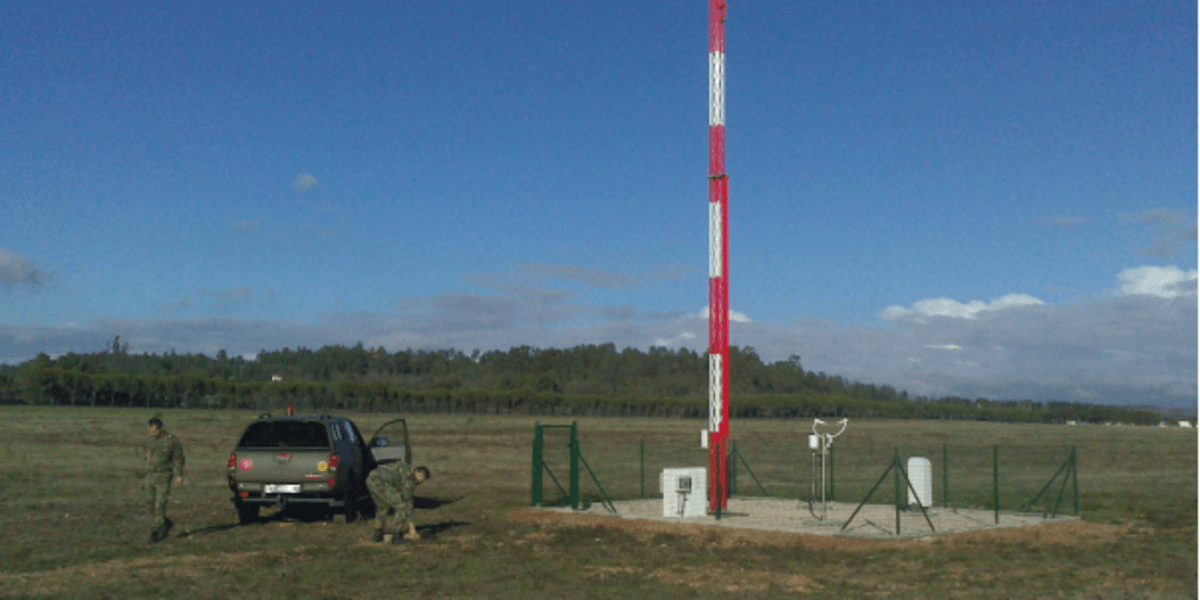
Portugal: Cloud Base and Visibility Sensors for Military Aviation
Support of military air operations
Portugal
June 25, 2015
View- View all case studies
Documents
- Manual
CS120A and CS125 Visibility and Present Weather Sensors
October 2025
View Document - Manual
High-Grade Calibration Kit for CS120A or CS125 Quick Deploy Guide
May 2022
View Document Central Africa: Airport Weather System
View Document- Manual
CS120A/CS125 Product Manual (online)
August 2024
View Document - View all documents